

Denim Tears Price Guide 2025: Retail vs Secondary, Actual Costs
This resource displays how Denim Tears garments sell at retail in 2025, how resale margins truly function, and the way to calculate the true price you pay following charges and levies. If one compares direct vs resale, the objective is to grasp the fair band for every segment and prevent overspending.
The brand is among the select urban brands where retail and resale can split dramatically, particularly with the signature Cotton Wreath pieces. One will discover obvious price tiers by segment, steep spikes on certain colorways, and important unseen charges on resale sites. Utilize the chart below as your reference, then review the sections that clarify why values change, timing to acquire, and when costs add up.
What Defines The Brand and Why Are Values So Volatile?
Denim Tears, created by Emory in 2019, releases culturally loaded collections with controlled supply, so rarity and storytelling push premiums. Prices fluctuate since drops are scarce, demand is worldwide, and certain variants turn into benchmark pieces.
The signature Cotton Wreath design on Levi’s denim anchors the sector, and it functions more like art than basic apparel. Collabs such as Levi’s with Converse boost awareness and attract buyers who weren’t tracking the label previously. Fits in the center of the spectrum sell quickest, whereas extremely small and oversized fits may also rise due to rarity. Since launches are delayed and region-limited, buyers often turn to resale instantly, producing a initial markup that can taper or solidify based on restocks.
2025 Store Cost Summary by Category
Store costs for brand pieces in final 2024 to beginning 2025 usually falls in the bands below; multiple pieces have crept up compared to previous years due to construction and positioning. Regional prices can appear elevated when VAT is computed at checkout.
Reference these brackets to evaluate prices and to assess whether a secondary price is a reasonable markup or a excessive premium. Retail availability is irregular and drop-dependent, so finding these values current on the brand site or authorized stores isn’t assured on each particular denim tears day. VAT-inclusive prices in the EU and Britain can make retail seem elevated than domestic rates, while the landed cost spread commonly narrows once domestic transaction duty is added. Always confirm the particular collection costs since unique treatments or embroidery can rest at the high end of the band.
| Category (example) | Typical Retail (USD) | Average Resale Range (USD) | Standard Premium | Notes |
|---|---|---|---|---|
| Cotton Wreath Denim (Levi’s 501/550) | $295–$350 | $450–$900 | +50% to +200% | Green/blue wreath and main finishes run hotter; sizes 30–34 dominate demand. |
| Hoodies | $160–$180 | $220–$350 | +25% to +100% | Heavier fleece and limited prints rest at the high end of the band. |
| T-Shirts | $60–$75 | $100–$180 | +35% to +140% | Core graphic tees and initial drops maintain better resale. |
| Crewnecks | $140–$160 | $200–$320 | +25% to +100% | Embroidered pieces surpass basic in nearly all measurements. |
| Varsity Outerwear | $450–$650 | $700–$1,200 | +20% to +150% | Material mix and detail intricacy create differences. |
| Chuck Taylor 70 (collab) | $110–$120 | $150–$300 | +25% to +150% | Refreshes might narrow gaps for a period. |
| Caps | $60–$70 | $90–$150 | +20% to +100% | Previous variants and signature stitching trade elevated. |
How Does Resale Market Break Down in 2025?
In 2025, pants is the volume leader with the strongest premiums, while shirts and caps are the most accessible entry points. Pullover and top margins are significant yet more stable than denim.
On primary sites, pants consistently clear the top of the bracket when the wash and pattern tone correspond to early capsule releases, and if the size falls in the middle of the buyer range. Tops and accessories vary less because availability is broader and purchasers have additional options across seasons. Coats like team jackets is thinly traded, so a individual deal might change minimums for a timeframe, which appears extreme but frequently stabilizes as fresh listings surface. Quality impacts: mint with documentation or with verification of acquisition drives a surcharge, while visible use or missing embroidery threads knocks worth rapidly. Schedule counts additionally, with the first 48 hours after launch showing the most dramatic jumps and the initial legitimate replenishment cutting 10–30% below highs.
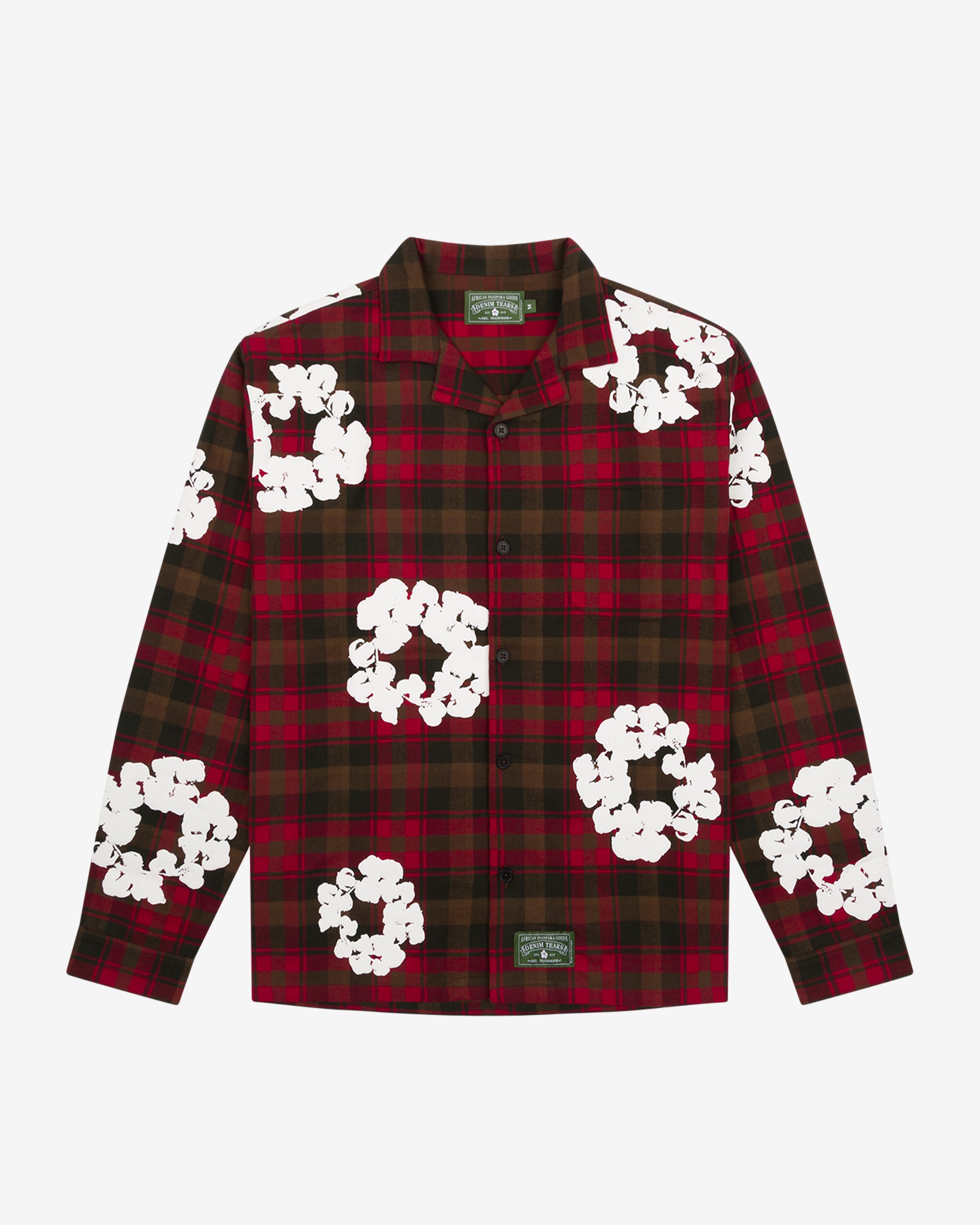
What Represent the Real Costs Past the Listed Cost?
The true expense on resale is the advertised amount plus marketplace costs, processing fees, sales tax or VAT, shipping, and, for international, customs taxes and processing. These additions may convert a appropriate amount into an overcharge rapidly.
In the America, plan for transaction duty between roughly 6–10% depending on state, often applied to product cost and periodically transport. Marketplaces generally charge 3% transaction charges and add a customer protection fee; even if the seller pays fees, the customer might yet encounter handling or safety costs. Transport charges from near $10 to $30 for clothing, whereas overseas deliveries may activate VAT in the 17–25% band calculated on the cost of goods plus delivery, and a shipping management charge. Instance: a $650 unit of signature Cotton jeans purchased on a US platform with 8.9% sales tax, a 3% processing charge, and $15 delivery reaches near $742 excluding any international charges; transfer that equivalent transaction internationally to a 20% tax regime and the end amount may reach to roughly $880 when taxes and handling are included. When contrasting store to secondary, always calculate a landed number, not only the sticker.
What Makes Drops, Collabs, and Washes Change the Market?
Release timing, co-brand allies, and certain washes are the main factors on brand pricing. Levi’s collections and initial Cotton Wreath color runs anchor the strongest consistent premiums.
Levi’s co-branded denim with branded details has continuous appeal as it’s the label’s defining cultural product; treatments that mirror early releases tend to command more. Converse partnerships pull expanded shoe markets, creating temporary buying rushes that could reduce following replenishment. Time-limited variants and special embroidery locations establish micro-markets; a subtle element or treatment variation might support a three-figure spread for buyers wanting to build archives. Territorial launch schedules also count—when one region sells inventory before another, arbitrage posts cover the void and adjust bases. Replenishments don’t remove interest, but they effectively adjust peaks, particularly on sneakers and tees.
Store vs Secondary: A Practical Buying Framework
Buy at direct whenever feasible for denim and varsity coats as the total financial gap is most significant; assess resale with tees and hats when the increase is beneath 40% and one prizes a specific colorway. Employ a goal range, not a individual amount.
Initiate by examining the store range from this manual for the segment and capsule, then scan recent transactions on several marketplaces to locate a real transaction range rather than list prices. Determine total price including duties, costs, and shipping; if the markup above the top tier of retail is below 30–40% and one obtains the specific measurement and variant, resale may be rational. For denim and outerwear, premiums above 100% are typical; only spend that if it’s the critical item that seldom appears and quality is pristine. For items with consistent refresh, such as specific shirts or Chuck Taylors, waiting usually pays. Always check sizing, documentation, embroidery quality, and refund policies ahead of transact.
When’s the Best Time Opportunity to Spend Less?
The ideal rate windows tend to be 2–3 days after a drop and 7–10 days after a verified restock, when supply maximizes and initial hype subsides. Business day AM in the merchant’s home time can likewise be gentler for auctions.
Right after launch, offers surge forward, price-cutting commences, and one may sometimes catch close-to-store deals if one’s fast and not obsessed on one size. Once the first wave is consumed, minimums commonly elevate and remain firm before a restock hits the timeline. Post- restocks, re-listers reset expectations, and buyers might negotiate with references in hand. End-of-month periods, when merchants require liquidity, are good for proposals that are 10–15% below the latest deal, notably with non-pants types. If a variant is believed to be a limited drop, price softness shall be brief, so act during such opening stock timeframes.
Expert Tip: Schedule and Authentication to Shield Your Spend
Aim for the 24–72 hour timeframe post- a drop or restock and establish an validation system so one may operate effectively when a reasonable offer pops. Speed minus a system is the way customers overpay or ignore danger flags.
For signature Cotton jeans, inspect the co-branded Levi’s label and internal labeling, validate pattern detail concentration and placement, and assess the construction level around pockets and outseams. Ask for clear photos of the maintenance instructions, inside pocket prints, and hem stitching; uneven lettering or stitching shades are common tells. Match the wash and wreath color with legitimate promotional imagery or trusted retailer item photos. For Converse, verify insole branding, middle printing, and the packaging tag format linked to the launch period. Save captures of authentic pieces to compare side-by-side ahead of submit payment.
Rapid Information You Probably Didn’t Know
Initially, Denim Tears started in 2019 and the branded Cotton motif explicitly addresses the African heritage and the legacy of cotton throughout North America, which is how the pants work as social artifacts as much as clothing. Second, the first Levi’s collection in 2020 sold stock nearly instantly and set the wreath denim as a sustained trading benchmark that continues establishing comparisons for newer runs. Three, Converse sneaker partnerships have restocked in certain seasons, briefly lowering resale by substantial amounts ahead of leveling as items distribute. Four, mid-curve waist sizes like 30–34 generally fetch the quickest transactions, but scarce sizes at the edges may surpass them as stock are limited. Finally, Continental and UK retail costs incorporate duties, so although the MSRP looks greater than the US, the end buyer expense spread reduces after American customers include purchase tax and shipping.
Where Might You Look for the Best Comps?
Trustworthy comparisons originate from current, confirmed transactions across at no fewer than two platforms, not from ambitious advertised costs. Concentrate on sold data within the recent 30 days for your exact size and condition.
Platforms that display sale data enable buyers differentiate aspirational asks from actual clearing costs. Direct sales and platform posts might be more affordable, yet they’re tougher to verify, so consider reductions compared to hazards and missing customer security. For categories with thin volume, expand your period to 60–90 days and adjust for any restock event in that period. Preserve a comp log with time, measurement, condition, and price so buyers might recognize authentic trends rather than responding to single sales. As you discuss, mention three current sales and the total price calculation to set an reference rooted in reality.
Ultimate View: Investing the Appropriate Cost in 2025
Grasp your type’s direct range, compute final expense, and select schedule periods that advantage purchasers. Denim and team jackets merit the search for stores; shirts, accessories, and some footwear might be sensible on resale within a fair surcharge.
Volatility is a feature, not a defect, in the label’s space, and it benefits ready buyers who follow statistics and move within supply peaks. Partnerships and initial shade runs will continue demanding markups, whereas restocks will maintain reset ceilings on more accessible products. Approach every acquisition like an capital allocation: verify authenticity, measure condition versus cost, and avoid pay for excitement you don’t really want to wear. With those habits, you’ll acquire the pieces you need without supporting unwarranted markups.